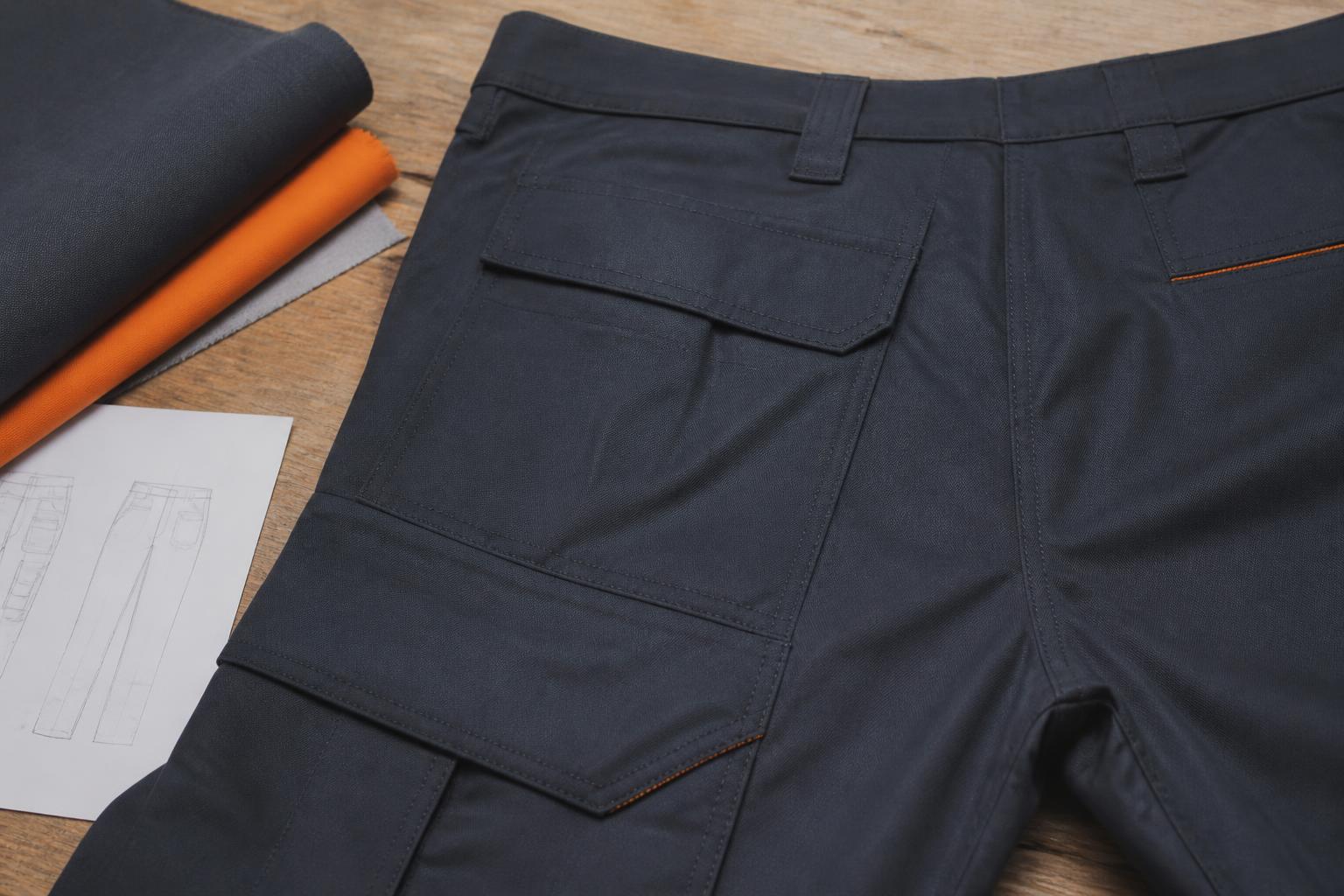
Choosing work trousers in a 42 waist is not just a case of matching one number and clicking buy. A 42 inch waist gives you a starting point, but the right pair also depends on the cut through the seat and thigh, the rise, the inside leg, and the way a particular brand sizes its garments. Get those details right and your trousers will work with you all day. Get them wrong and even a correct waist size can feel restrictive, saggy or awkward when kneeling, climbing or driving.
When we help customers choose workwear at 100 Percent Workwear, the best results usually come from checking two things before anything else, waist and inside leg, then matching the trouser features to the actual job. That is the simplest way to avoid ordering a pair that fits on paper but not on site.
What a 42 waist size does and does not tell you
A 42 waist tells you the nominal waist measurement the trousers are designed around. It does not tell you everything about how they will fit on the body.
Two pairs of work trousers labelled 42 can feel very different because trouser fit is shaped by several other measurements and design choices.
First, there is the seat. If you carry more shape through the hips and seat, a trouser with a straighter workwear cut may feel tight when you bend or crouch, even if the waistband itself fastens comfortably. A roomier seat gives better freedom of movement and often sits more cleanly across the back when you are reaching or kneeling.
Second, there is the thigh. This matters more than many people expect. Trades that involve constant squatting, climbing ladders, stepping in and out of vans, or working on the floor usually benefit from more room through the thigh, or from stretch panels that help the fabric move. A slim thigh can look neater, but if it pulls across the leg or catches at the knee, it is not the right work trouser for the job.
Third, there is the rise. Rise is the distance from the crotch seam to the top of the waistband. A lower rise can feel fine standing still, but less comfortable when bending, especially if you wear a tool belt or tuck in layers. A higher rise often gives better coverage and can feel more secure for practical work, particularly outdoors or during repeated lifting and kneeling.
Fourth, there is the leg shape. Some work trousers are cut straighter from thigh to hem. Others taper more. If you wear knee pads, thermal leggings or bulky socks, that lower leg shape can make a real difference to day to day comfort.
Then there is brand-to-brand variation. Sizing is not perfectly standard across workwear. One manufacturer’s 42 may come up generous, another may fit closer to the body. Fabric also affects the feel. A rigid polycotton trouser with no stretch can feel smaller than a stretch blend in the same labelled waist. This is why we always recommend checking the sizing details on the specific product page rather than assuming every 42 will fit the same way.
It is also worth separating fit from fastening. If a 42 waist closes, that does not automatically mean it fits properly. A good fit should let you move naturally without the waistband digging in, the seat pulling tight, or the crotch sitting too low. If you need a broader fitting guide before you choose, our practical checklist for how work trousers should fit covers the signs to look for.
How to measure waist and inside leg properly
If you want to choose the right size first time, measure before you order. The best method is to check both your body measurements and a pair of trousers you already wear comfortably.
For the waist, start with a soft tape measure. Measure around the point where you actually wear your work trousers, not necessarily your natural waist. For many tradespeople, that is slightly below the navel. Keep the tape level all the way round, snug but not tight, and do not hold your breath. If you wear a base layer tucked in, measure over it or allow for it.
Do this standing naturally. If you are between sizes, think about how you use the trousers. For non-stretch trousers, or if you carry tools in your pockets, the safer choice is often the roomier option.
To measure the inside leg on your body, stand straight in work socks and measure from the crotch down to the point where you want the hem to finish. That said, measuring the body can be awkward and easy to get wrong, so comparing with an existing pair is often more reliable.
To measure an existing pair of trousers, lay them flat on a table or clean floor.
For the waist:
- Fasten the waistband.
- Lay the trousers flat without pulling them hard.
- Measure straight across the waistband from one side to the other.
- Double that number to get the full waist measurement.
For the inside leg:
- Lay the trousers flat with the legs straight.
- Measure from the crotch seam down the inside seam to the hem.
This gives you a practical reference against a pair you already know works for you. It is particularly useful if you alternate between work trousers, coveralls and layered winter clothing.
A few measuring points are easy to miss:
- Measure a pair that still fits as you want it to fit now, not an old pair that has stretched out.
- Check whether the trousers are worn with knee pads, thermals or tucked-in tops, because all of that affects fit.
- If your existing pair has shrunk in the wash, do not use it as your only guide.
- If you wear your trousers over bulky PPE or weather layers, allow for that in the waist and thigh.
Inside leg choice matters more than appearance. Too short and the trouser can ride up when kneeling or climbing. Too long and the hem drags, wears out faster, and can catch underfoot. For some jobs, especially where you are moving between site, van and customer premises, getting the right trouser length helps the whole kit look more professional as well as feeling better.
Which trouser features matter for your type of work
Once you have the size direction right, the next question is features. The best work trousers in a 42 waist for a kitchen fitter are not necessarily the best choice for a groundworker, decorator or delivery driver.
Holster pockets are one of the biggest dividing lines. They are useful if you need regular access to tools, fixings and small hand items without going back to a box or bench. Carpenters, fitters and installers often like them because they keep essentials close at hand. If you spend a lot of time squeezing through tight spaces, leaning against finished surfaces, or working in occupied homes, they can be less convenient. In those cases, a cleaner front with standard pockets may be the better option.
Knee pad pockets matter if you kneel often enough for protection to stop being optional. Floor layers, plumbers, electricians and many site trades will usually benefit from them. Check not only that the trousers have knee pad pockets, but also how they are accessed and whether the leg shape keeps the pad in the right place when you move. Knee protection can fall within PPE depending on the job and the risk assessment, so the trouser design needs to support the protection you actually use.
Reinforced panels are worth looking for in high-wear areas. Knees, hems and pocket edges take repeated abrasion. Reinforcement helps if you work on rough ground, concrete, blockwork or around sharp materials. It is less important if your work is mainly driving, supervision or light indoor maintenance.
Stretch sections can make a big difference to comfort. They are especially useful across the seat, crotch, knees or waistband. If your day involves climbing, crouching and getting in and out of vehicles, stretch usually improves mobility. If your work is hard on fabric and you prefer a more traditional, robust feel, a heavier non-stretch trouser may still suit you better.
Pocket layout should match the job, not just the product photo. Think about what you actually carry. Phone pocket, ruler pocket, zipped pockets and tool compartments all have a place, but only if they keep items secure and accessible without digging in when you kneel or sit.
Weather suitability is another practical filter. For warmer months or indoor work, lighter fabrics and breathable construction are usually more comfortable. For colder conditions, you may want room for thermal layers underneath, or to pair your trousers with thermal base layers for cold weather work. If your work is outdoors in changeable conditions, it is often better to build a system with layers, such as a hoodie, a softshell or a bodywarmer, rather than expecting one pair of trousers to solve every weather problem.
If your role requires increased visibility, trousers may need to work as part of a wider hi-vis clothing setup rather than as a standalone item. In the UK, visibility clothing for site or roadside use should be chosen against the relevant job requirement and employer assessment, not just by colour preference. Where a garment is being used as PPE, the product specification matters.
Fabric, durability and comfort in day-to-day use
Fabric choice affects how work trousers feel at 7am, at lunchtime, and at the end of a long shift.
Cotton is comfortable and breathable, which is why many people like it for general wear. It can feel softer against the skin and works well in milder conditions or indoor environments. The trade-off is that cotton can hold moisture longer and may dry more slowly after washing or wet weather exposure.
Polycotton is common in workwear because it balances comfort with easier care. It usually dries faster than pure cotton and can hold its shape well in regular rotation. For many customers, polycotton is the practical middle ground for everyday trade use.
Ripstop fabrics are designed to improve resistance to tearing. If your work regularly catches clothing on edges, timber, fixings or rough surfaces, ripstop is well worth considering. It does not make trousers indestructible, but it can be a sensible choice where damage risk is higher.
Stretch blends improve movement. A little elastane in the fabric, or dedicated stretch panels, can make a noticeable difference to bending, kneeling and climbing. The key is balance. More stretch can mean better comfort, but you still want enough structure and durability for the working environment.
Think about warmth in a practical way. Heavier fabric can feel more substantial in cooler weather, but trousers that are too heavy for the task can become uncomfortable indoors or during active work. In winter, many people are better served by standard trousers with room for a thermal layer than by relying on a single thick trouser all season.
Drying time matters if you rotate your kit through the week. If you wash workwear frequently, a fabric that dries reasonably quickly can make life easier, especially if you need the same pair again the next day.
Maintenance matters too. Some fabrics are straightforward to wash and wear. Others need more attention to preserve colour, stretch or reinforcement. Always check the care instructions on the product page before you order, especially if your laundry routine is hot washing, tumble drying, or mixed loads with heavily soiled garments. The wrong wash method can shorten the life of the trousers or affect fit.
If you are building a full kit for outdoor work, trousers are only one part of the system. In colder or stop-start conditions, many customers pair them with an extra bodywarmer layer for core warmth, which keeps the arms free while adding insulation where it counts.
What to check on product pages before you order
Before ordering from 100 Percent Workwear, we recommend checking the product page line by line rather than relying on the main image or the product title alone. This is the quickest way to make sure the trousers match your size, your job and your maintenance routine.
Start with sizing. Confirm the available waist sizes and inside leg options on the exact product, not on another style from the same brand. A 42 waist may be available in one trouser but not in every colour or leg length. If the product page includes fit notes, read them. They can help you decide whether the cut is standard, roomier or closer fitting.
Next, check the fabric composition. Look for the cotton, polyester and stretch content, and whether the fabric includes ripstop or reinforced sections. This tells you more about likely feel and care than the photos can.
Then review the feature list carefully:
- holster pockets
- knee pad pockets
- reinforced knees or hems
- stretch panels
- zipped pockets
- hammer loop or tool storage details
- water resistant or weather-oriented design features, if stated
After that, check care instructions. Look for the recommended wash temperature, drying guidance and any limitations on ironing or tumble drying. This is especially important if the trousers will be washed frequently with site clothing, hi-vis garments or other heavily used kit.
Availability is the next point. Stock can change quickly, particularly across popular waist and inside leg combinations. Always verify the current availability shown on the product page at the time you order. If you are buying for a team, do not assume that all required sizes are in stock just because one size is available.
Also check whether the product page identifies anything relevant to compliance or intended use. For ordinary work trousers, this may simply be general specification information. For garments used alongside hi-vis clothing or other PPE, the details matter more and should be checked against the requirements of the role.
Finally, look at the broader range if you are trying to standardise kit across the working week. Our full work trouser range by size and feature makes it easier to compare styles for different jobs, seasons and pocket layouts in one place.
A 42 waist is a useful starting point, but the best choice comes from matching that waist size with the right inside leg, the right cut, and the right features for the way you actually work. If you measure properly, compare against a pair you already trust, and read the product specification carefully, you are far more likely to get a pair that feels right from day one and earns its place in your regular rotation.